
30 August – 13 September 2024
Table of Cases
| Operations | Date | Operation | Indication | Island |
|---|---|---|---|---|
| 1 | 09.09.24 | TAH | Fibroids | Aitutaki |
| 2 | 10.09.24 | TAH + RSO | Fibroids | Atiu |
| 3 | 10.09.24 | Cystoscopy and Botox | OAB | Rarotonga |
| 4 | 10.09.24 | TVT + Cystoscopy | SUI | Rarotonga |
| 5 | 10.09.24 | Hysteroscopy and Endometrial Polypectomy | Prolapsing Endometrial Polyp | Aitutaki |
| 6 | 11.09.24 | AP Repair, RSSF + Perineorrhaphy | POP | Rarotonga |
| 7 | 11.09.24 | Cystoscopy and Botox | OAB | Rarotonga |
| 8 | 11.09.24 | Vag Hyst, BS, AP Repair, Bilat SSF + Perineorrhaphy + SPC | POP | Rarotonga |
| 9 | 12.09.24 | Vag Hyst, AP Repair, Perineorrhaphy | Fibroids and POP | Rarotonga |
| 10 | 12.09.24 | Cystoscopy, Hysteroscopy D&C + Mirena | PMB + OAB (Chronic Cystitis) | Rarotonga |
| 11 | 12.09.24 | AP repair + Perineorrhaphy | POP | Rarotonga |
| 12 | 13.09.24 | Cystoscopy + EUA | Urinary Obstruction | Aitutaki |
| 13 | 13.09.24 | Division of Labial Fusion | Fused Labia Minora | Aitutaki |
| 14 | 13.09.24 | Hyst D&C | PMB | Atiu |
| 15 | 13.09.24 | Hyst D&C | PMB | Rarotonga |
| Total | Rarotonga 9 | |||
| Aitutaki 4 | ||||
| Atiu 2 |
Clinics
| Island | HSV Clinic | Physio | UDS | USS | Operation |
|---|---|---|---|---|---|
| Rarotonga | 25 | 11 – Post OP 14 – Clinic | 2 | N/A | 9 |
| Aitutaki | 11 | 2 | 1 | 3 | 4 |
| Atiu | 9 | 4 | 1 | 5 | 2 |
| Total | 46 | 21 | 4 | 8 | 15 |
Introduction
The Urogynaecology visit 2024 included out-patient clinics on Atiu and Aitutaki, out-patient and urodynamics clinic on Rarotonga and all operations performed in Rarotonga. The team was made up of: Gynaecologist Mairi Stewart Wallace, Pelvic Health Physiotherapist Shelley Solomon and Clinical Nurse Specialist (CNS) in Urology Tina Kusser. We were joined in the second week by Michael Kalkoff, Anaesthetist. This was the tenth Urogynae HSV since 2011. From the second visit either a Urologynaecology a trained nurse or a pelvic health physiotherapist has accompanied the Gynaecologist. In 2018 an anaesthetist was added to the team. Besides all the work managing the Urogynaecology patients the anaesthetist has also been instrumental in ensuring there is anaesthetic locum cover when the local anaesthetist was away, has helped with non HSV complicated anaesthesia and helped care for patients in ICU. He has also enabled surgery of complex patients who would otherwise have to be transferred to New Zealand for their surgery. He has become an integral part of the team and contributes on many levels to improved critical care for patients in The Cook Islands. For the first visit after the COVID pandemic, 2022, we were requested to bring a nurse as well as a physiotherapist. Our team had grown to four. The programme now involves outer islands – originally only Aitutaki but in the last two years also Mangaia in 2023 and Atiu this year.
Mission:
This year we flew directly to Atiu, arriving midday on Friday 30 August. We had a portable ultrasound scanner with us. We ran a clinic on Friday afternoon and again on Monday morning before flying to Aitutaki via Rarotonga. The whole day Tuesday was spent in clinic on Aitutaki. Mrs Tohoa Cummings, the nurse in clinic on Aitutaki, has been involved with the Urogynae HSV since 2011 and as usual had screened the patients and had a full clinic for us. Once back in Rarotonga we set up two clinic rooms. CNS Tina Kusser set up the Urodynamics machine and was able to perform Urodynamic studies while physiotherapist Shelley Solomon and Dr Mairi Wallace saw patients in clinic. The following day, Friday, was spent running a well-attended episiotomy suturing workshop for midwives, doctors and medical students. The following week Dr Wallace was in theatre all week, popping out briefly to see three extra clinic patients.
The Urogynae specialist is first and foremost a Gynaecologist and thus also able to treat General Gynaecology patients. This initially meant there having to be a clear division between what services would be provided and which should wait for the visiting Gynaecologist or be managed by the local Gynaecologist. Incontinence and pelvic organ prolapse is neither life threatening nor painful and therefore often trivialised. Patients with urinary incontinence however suffer greatly from embarrassment, are often unable to exercise, socialise and in some cases even stop working, effectively becoming hermits in their own homes. Patients who must get up many times a night to empty their bladder not only feel tired and emotionally frustrated from lack of sleep there are major health implications associated with persistent broken sleep. Nocturia (rising at night to pass urine) is a major risk factor for hip fractures and head injuries in elderly people. Obesity and Diabetes are major problems in the Pacific. Poor sleep is a trigger for sugar cravings and a tired sleep deprived patient is less likely to exercise, this in patients already reluctant to play sport because of the embarrassment and discomfort of incontinence. Therefore, we feel that focussing on Urogynaecological problems is justified.
When the team visited Mangaia in 2023 most patients had never seen a Gynaecologist (many had never been examined by a doctor). In retrospect we realised that most of the women really only wanted a check-up. We also realised that there was little awareness amongst clinic staff of either the risk of endometrial cancer amongst Pacific Islanders or the signs to look out for. From this year we have therefore broadened the parameters allowing patients, on the outer islands to be seen in clinic, to include some General Gynaecology problems. For this reason, we were loaned a portable ultrasound scanner. We do not have the time or resources to provide routine cervical screening, infertility treatment, contraception or many other important Gynaecology services. We still need to refine the criteria for patients to be seen by us in clinic, the major goal being to pick up, or even prevent the onset of, endometrial cancer as well as some serious quality of life issues. Many women have debilitating periods resulting in them missing work and in some instances requiring them to have iron infusions. In Atiu this year we saw 4 patients with abnormal bleeding. Two are being treated conservatively and will be followed up by Dr Hughes, the resident doctor on Atiu. One had a normal ultrasound scan and was reassured. Two were flown to Rarotonga for surgery for benign conditions. There were fewer General Gynaecology problems to be seen in Aitutaki, it is easier for the doctors and nurses on Aitutaki to get patients to Rarotonga and they have more gynaecology experience. None the less, of the four patients transferred to Rarotonga only one had urinary incontinence. The others with incontinence were treated conservatively by the physiotherapist while still in Aitutaki.
Potential pitfalls in offering Urogynae services to an isolated community:
There are many facets to managing both urinary incontinence and pelvic organ prolapse in women. As much as possible we try to avoid surgery and treat women conservatively. This usually involves a combination of physiotherapy and medication. Physiotherapy involves a lot more than strengthening pelvic floor muscles. A good pelvic health physiotherapist will correct poor bowel habits, teach a patient how to hold on when she can’t get to a toilet, check voiding technique and when necessary, help with sexual dysfunction and pelvic pain. This is separate from the work she does in the ward ensuring the post op patients are voiding and have a post op recovery plan to ensure the best possible outcome from surgery.
The potential pitfall in conservative management of pelvic organ prolapse and urinary incontinence are vaginal ring pessaries. Ring pessaries to manage both incontinence and prolapse are becoming more and more popular. Historically they were only fitted by doctors. Over time clinic nurses were also taught how to fit and change pessaries. Now pelvic health physiotherapists are also able to manage the use of ring pessaries. A pessary is a good solution for many patients, as their symptoms are alleviated without the need for surgery. The problem is that once correctly fitted a patient cannot feel it and can forget it is there. A pessary needs to be removed and either washed or a replaced with a new one every six months. A forgotten pessary can cause major complications. Over time the ring can cause a pressure sore. As it heals either skin will grow over it and it can become incorporated into the vaginal wall, far more serious is that the patient can develop a fistula – either into the bladder or the bowel. This year therefore Shelley Solomon and Tina Kusser have gone to some effort to track down every patient in the Cook Islands ever fitted with a ring pessary. They also plan from now on, to run a pessary clinic every year to ensure no patients are lost to follow up and to help with any problems the patient, or clinic nurse, are having. This clinic will run on a day during the week of surgery. The Urogynaecologist will be available for guidance but does not need to be in the clinic all the time and can continue with the surgical part of the programme.
The other potential pitfall in Urogynaecology is the use of vaginal tapes and mesh. Thus far we have not picked up any major complications. Over the years, 3 incontinence tapes have had to be cut because they were too tight and causing voiding dysfunction. These three patients are doing well, two were managed in Rarotonga and one in Auckland. There has not been a single case of a tape erosion or chronic pain. There has not been a single complication from the vaginal meshes put in 2011 – 2014. One patient was treated this year for chronic pain caused by an incontinence tape, not put in by the team. She had her tape put in in France in 2018. Dr Wallace was able to inject steroid into the tape, in clinic. The patient tolerated the procedure well. She has also been prescribed vaginal oestrogen cream. She will be reviewed in clinic in a year. Besides tracking down all the patients with ring pessaries the physiotherapist has also made a record of every patient in The Cook Islands who has had an incontinence tape inserted since 2017.
Looking ahead:
The nurses in theatre work extraordinarily hard during a surgical Health Specialist Visit. Besides the extra load from the patients for the specialist there are the usual number of emergency patients. The patients listed in the table don’t include the five acute patients operated on by the surgical team. Two of these were particularly difficult cases in unwell patients. With only two nurses in theatre and one in recovery, all three of them doubling up as CSSD (Central Surgical Sterilising Department) they had little or no time for a break all week. The visiting nurse was busy full time in the ward helping with the extra workload so was not able to help in theatre. A possibility would be to bring another nurse, for the second week of the visit, either to assist in Theatre or in Recovery.
It would be good not to have to waste so much time travelling between islands. The necessity of flying back to Rarotonga each time means that we can only visit 2 outer islands per visit. This is perhaps something that needs to be taken up with Air Rarotonga.
Acknowledgement and thanks:
The success of the Urogynaecology mission would not be possible without the generosity of various companies and individuals.
For the first time we required an ultrasound machine – this was generously provided by Deborah Stanley at Sonosite. Amtech gave us sheaths to cover the probe and wipes.
Rachelle Hodgson at Endoventure not only once again loaned us a Laborie Urodynamics machine she provided a technician – Kay Stokes flew over with the machine, dealt with the vagaries of Cook Islands’ customs and was able to help nurse Tina set up the equipment. Endoventure also provided cystoscope needles for injecting Botox and the catheters and sensors needed for doing urodynamics tests.
Johnson and Johnson provided sutures, an essential for surgery. The TVT had been provided by J&J on a previous mission and had been kept safely in theatre.
Obex generously provided more surgical drains and suprapubic catheters than we needed– those that we didn’t use this time have been kept for use next year.
Medical Aid Abroad provided instruments for the suturing workshop, which were then donated to Delivery Suite, 3 sets going to Aitutaki. They also provided theatre scrubs, there are never enough in Dr Wallace’s size plus a few surgical instruments.
Hallmark Surgical donated surgical instruments. Hallmark and Whiteley Allcare provided ring pessaries.
Kensington Hospital kindly donated Botox for two patients with overactive bladder symptoms and lent us the instrument needed for doing sacrospinous fixation.
Medarc provided gloves (there are never enough size small gloves) and speculums.
Dr Jonathan Marsters, Urologist in Whangarei, kindly lent us a cystoscope enabling us to do the intravesical Botox injections
Mission Photographs
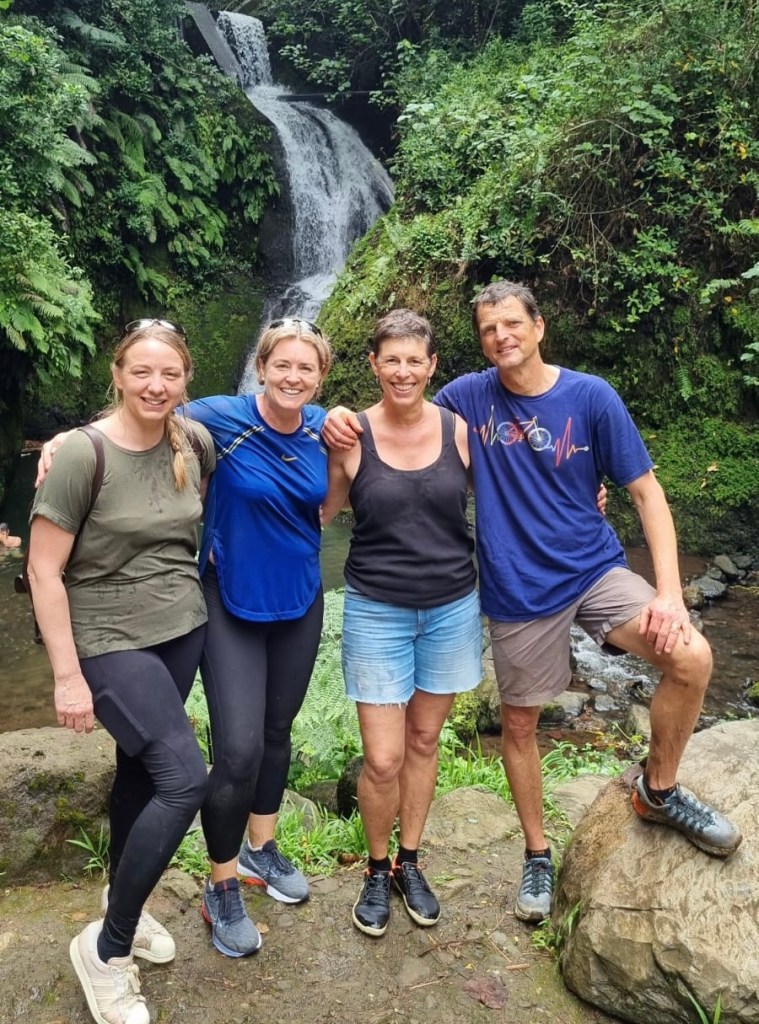
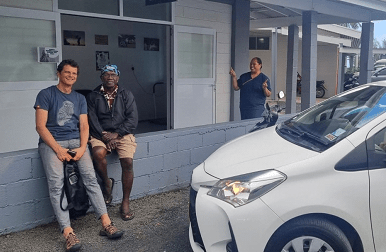
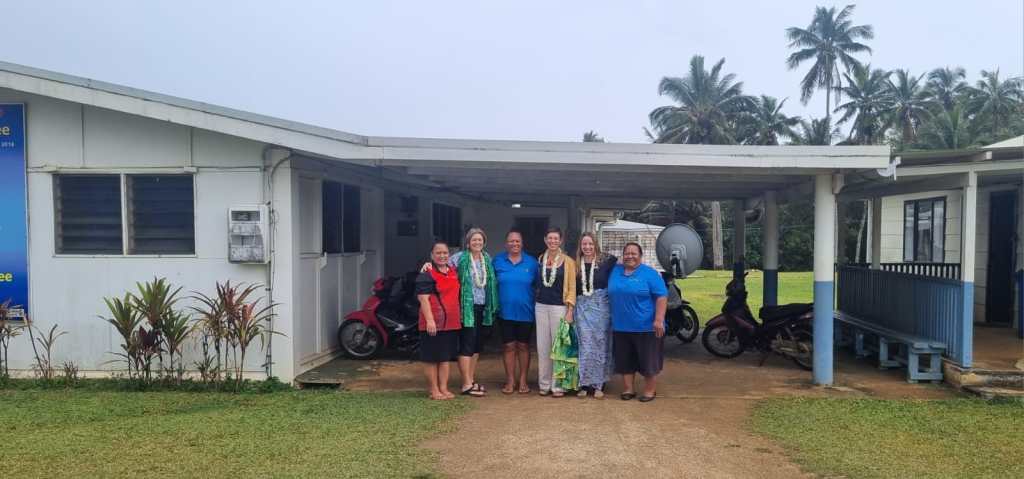
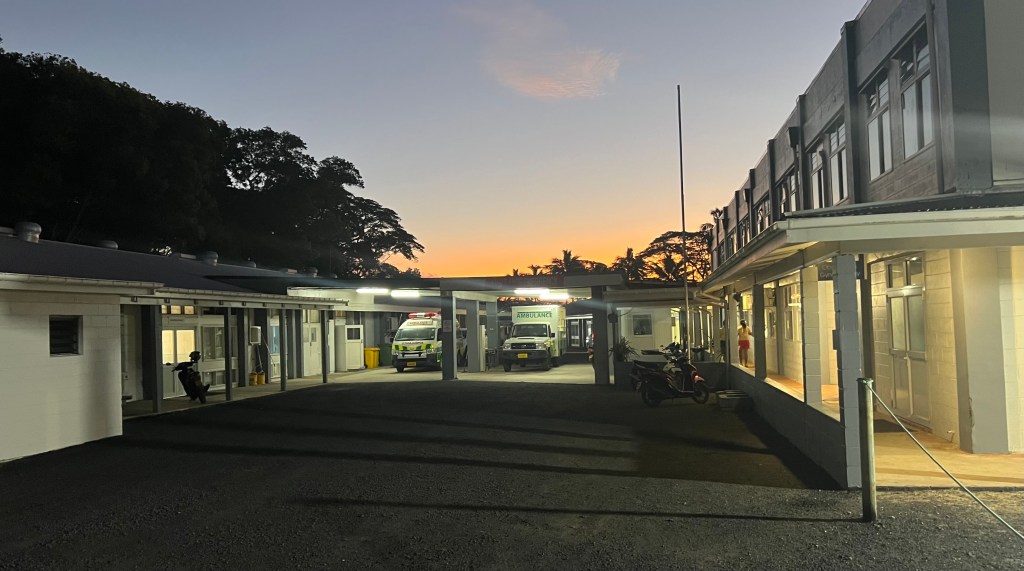
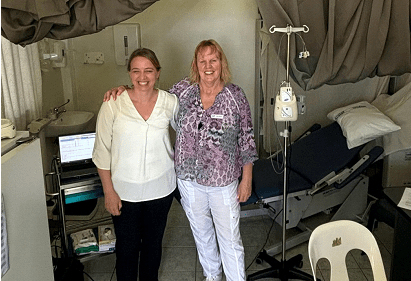
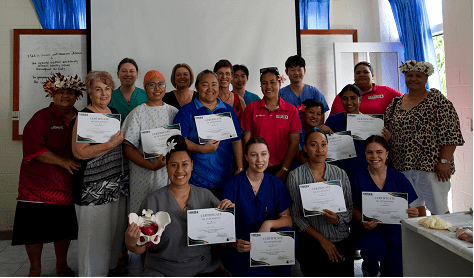
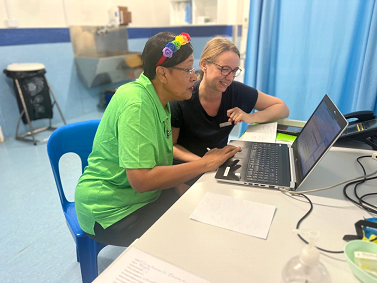
Dr Mairi Stewart Wallace
September 2024
 Putiputi Charitable Trust
Leave a comment