
Urodynamic tests are performed to test how well a bladder can hold and empty urine. Urodynamic tests can also show whether the bladder is contracting when it’s not supposed to, causing urine to leak. All parts of the urinary tract—the kidneys, ureters, bladder, and urethra—must work together to urinate normally.
Urodynamic studies are a group of tests that evaluate how the bladder and urethra are functioning. The test measures bladder pressure, urine flow, and electrical activity of pelvic floor muscles, providing insights into bladder storage and emptying functions.
The results of urodynamic studies help us determine the most appropriate treatment plan, which may include medications, physiotherapy, or surgery. Physiotherapy might also include the use of an incontinence pessary.
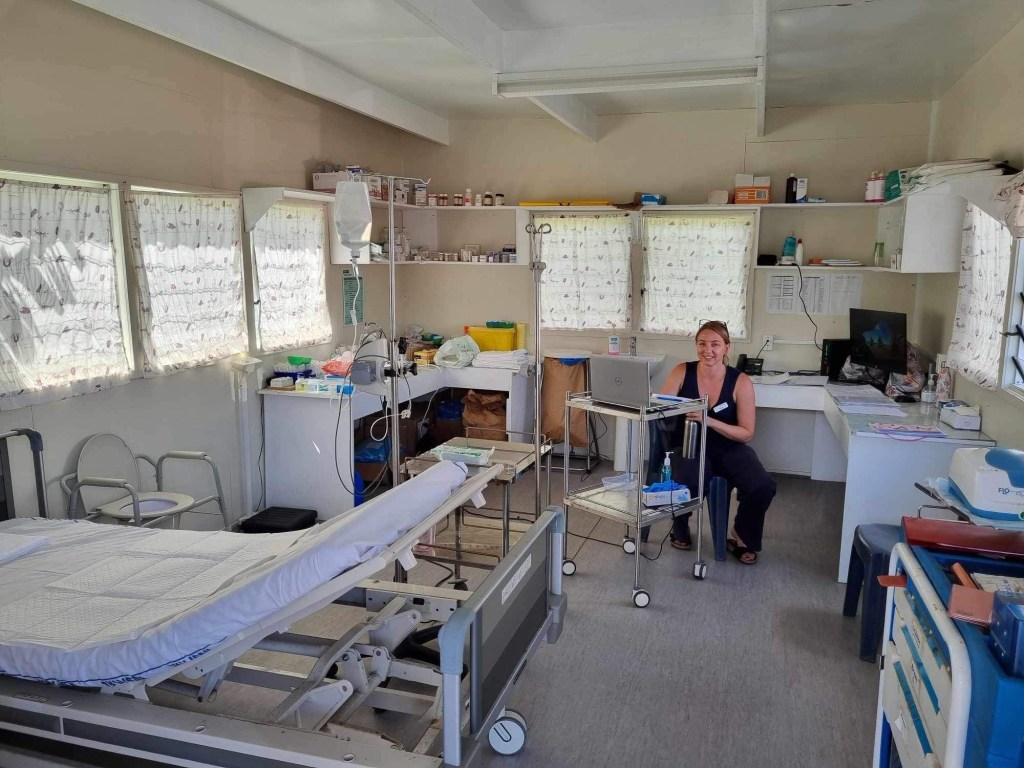
Urodynamic equipment includes; catheters with sensors to measure bladder pressure, a small pump to fill the bladder, a flow metre to measure flow when the patient passes urine and a laptop computer to capture all the data. This equipment has to come with us as part of our luggage. A full urodynamics machine can cost between $15 000 and $25 000. We therefore have had to rely on Endoventure every year to lend us one of their’s.
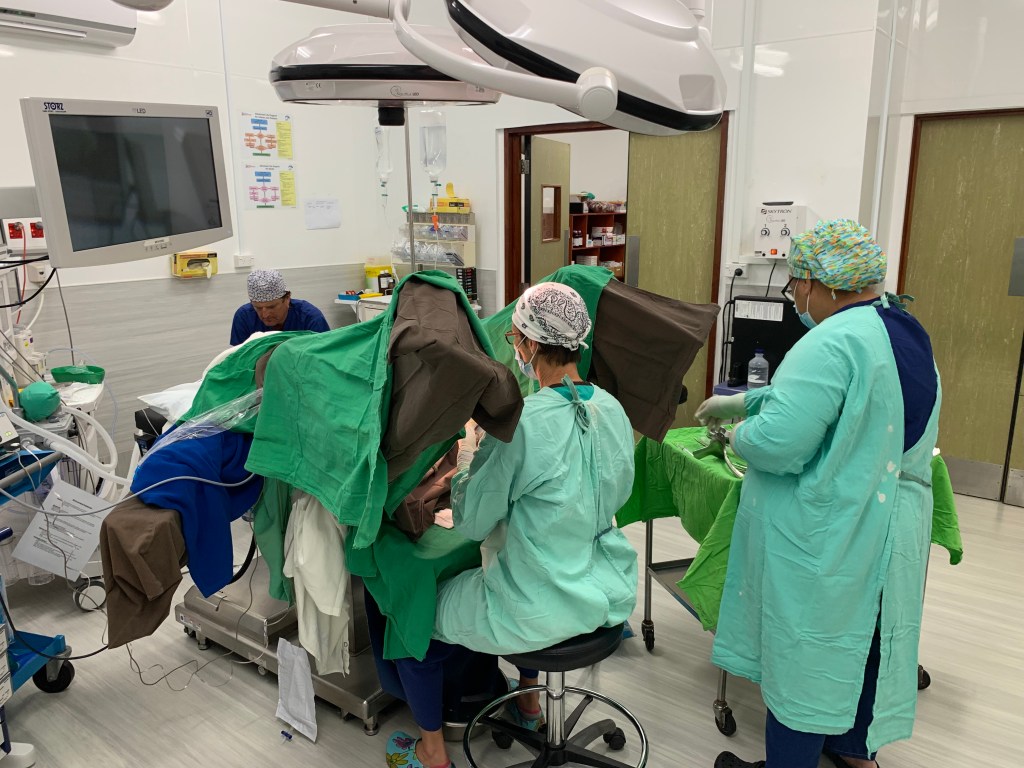
Surgery for urinary incontinence can vary depending on the specific reason for the incontinence, patient preference and what services are available. Until now we have been able to offer women with stress urinary incontinence a midurethral tape, generously donated by J&J. In the future we are hoping to also be able to offer a urethral bulking agent. For women with an over active bladder causing their incontinence, we have sometimes been able to offer Botox injections into the bladder – this has always depended on donations and whether we have had an operating cystoscope at our disposal.
 Putiputi Charitable Trust